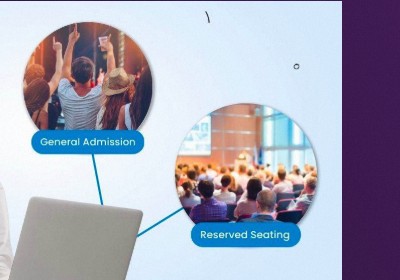
Reserved Seating vs General Admission: Which is Better for Your Event?
Choosing the right ticketing strategy is paramount to the success of any live event. The decision between Reserved Seating (RS) and General Admission (GA) dictates not only your revenue potential but also the entire attendee experience and the logistical complexity of the event itself.
So, which is the superior choice? The truth is, there is no single winner. It comes down to aligning the seating model with your event's format and your audience's expectations.
General Admission (GA): Freedom and Flow
A General Admission ticket grants the holder entry to the venue or a specific area, but does not assign a specific seat or location. Access is typically on a first-come, first-served basis, offering simplicity and flexibility.
The Case for GA
- Affordability: Often results in a single, lower ticket price, making the event accessible to a wider audience.
- Simple Logistics: Requires no complex seating charts or venue mapping, simplifying ticket setup and check-in.
- Dynamic Atmosphere: Encourages crowd movement, mingling, and a high-energy, spontaneous vibe—ideal for concerts or festivals.
- Rewards Early Arrival: Incentivizes fans to arrive early to secure the best spot, helping to fill the venue faster.
The Drawbacks of GA
- Early Arrival Pressure: Creates stress for attendees who need to line up early to get a good viewing spot.
- Crowd Management Issues: Can lead to chaotic seating, "seat saving," and more challenging crowd control in standing areas.
- Difficulty for Groups: Large groups or families may struggle to find open spots together, especially if they arrive late.
- Lower Revenue Cap: Without tiered pricing, you lose the ability to charge a premium for superior locations.
Reserved Seating (RS): Control and Comfort
Reserved Seating means a ticket holder is assigned a specific section, row, and seat number upon purchase. Attendees know exactly where they will be sitting, guaranteeing their place.
The Case for RS
- Maximized Revenue: Allows for tiered pricing (charging more for premium seats), significantly boosting income potential.
- Guaranteed Experience: Eliminates the rush; the seat is waiting for the guest, whether they arrive 30 minutes or 3 minutes before showtime.
- Organized Logistics: Streamlines entry and crowd control as ushers can easily direct guests to their specific spot.
- Enhanced Accessibility: Ensures attendees with mobility issues or children can secure an appropriate, safe, and comfortable location.
The Drawbacks of RS
- Complex Setup: Requires detailed venue mapping, sophisticated ticketing software, and more hands-on inventory management.
- "Orphan Seats": Ticket sales can result in unsold single seats between purchased groups, reducing total capacity.
- Higher Cost: The convenience and guaranteed spot often translate to higher ticket prices, potentially deterring budget-sensitive buyers.
- Less Flexibility: Guests are tied to one spot, limiting interaction and movement.
The Hybrid Approach: Getting the Best of Both Worlds
For many events, the ideal solution is a blended or **Hybrid Model**. This is especially common in larger arenas and stadiums:
- Offer **Reserved Seating** for the lower bowl, VIP boxes, and prime viewing areas (high-revenue).
- Offer **General Admission** for the upper balcony, standing-room-only floor areas, or designated lawn seating (high-volume, accessible price).
This allows you to cater to different audience budgets and preferences while leveraging tiered pricing for premium experiences.
The Final Question: What is Your Event Type?
Use this guide to determine which model is the natural fit for your type of event:
Choose General Admission For:
- Music Festivals and Multi-Stage Events
- Standing-Room-Only Concerts (e.g., in clubs or bars)
- Outdoor Fairs, Markets, or Community Events
- Casual Comedy or Club Nights
- Events where a spontaneous, communal atmosphere is the goal.
Choose Reserved Seating For:
- Formal Theatre, Opera, or Broadway Shows
- Major League Sporting Events
- Gala Dinners, Award Ceremonies, or Formal Fundraisers
- Conferences/Seminars with VIP Seating Requirements
- Any event where a specific sightline or comfort level is the primary value proposition.